Last updated:
The short answer
A gas furnace burns fuel to make heat; a heat pump moves heat from outdoor air and also does the cooling. In a cooling-heavy climate, one heat pump can replace both the furnace and the air conditioner, with an electric strip or the existing furnace as backup. Your ducts, panel, gas line and rates decide which setup fits.
Key takeaways
- A heat pump heats and cools; a furnace only heats and still needs an air conditioner beside it.
- Heat pump supply air is milder and runs longer; furnace air is hotter in shorter bursts.
- A sound furnace can stay as backup in a dual-fuel setup.
- Converting means capping gas, removing the flue and adding circuits, each as its own line.
- Compare running costs from your own electric and gas rates with the same house on both sides.
In a house heated by gas, the furnace usually shares its blower and ducts with a central air conditioner. When either one fails, the question comes up: replace like for like, or move to a heat pump that does both jobs. The answer depends on the house, the equipment that is still sound, and your rates.
Sweet Olive installs ducted heat pumps across New Orleans, including conversions from gas furnaces. We install a new gas furnace only as the backup half of a dual-fuel system, not as a standalone replacement, so this guide compares the two honestly and explains when keeping or adding a furnace as backup makes sense. Our sizing guide covers capacity.
How each one makes heat
The difference starts with where the heat comes from.
Gas furnace
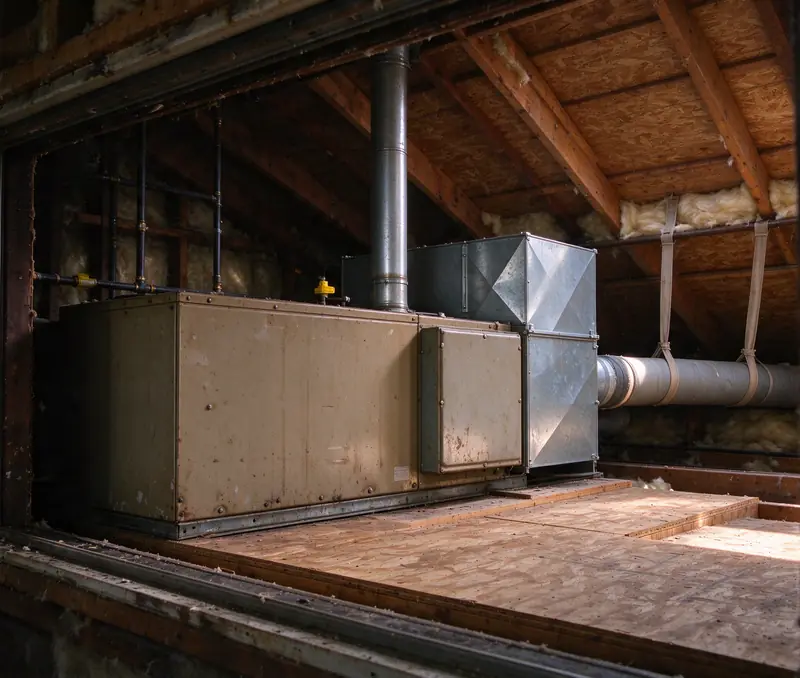
Burns natural gas in a heat exchanger and blows air across it.
- Hot supply air in shorter runs
- Needs a gas line, venting and combustion air
- Heats only; cooling needs a separate air conditioner and coil
Heat pump
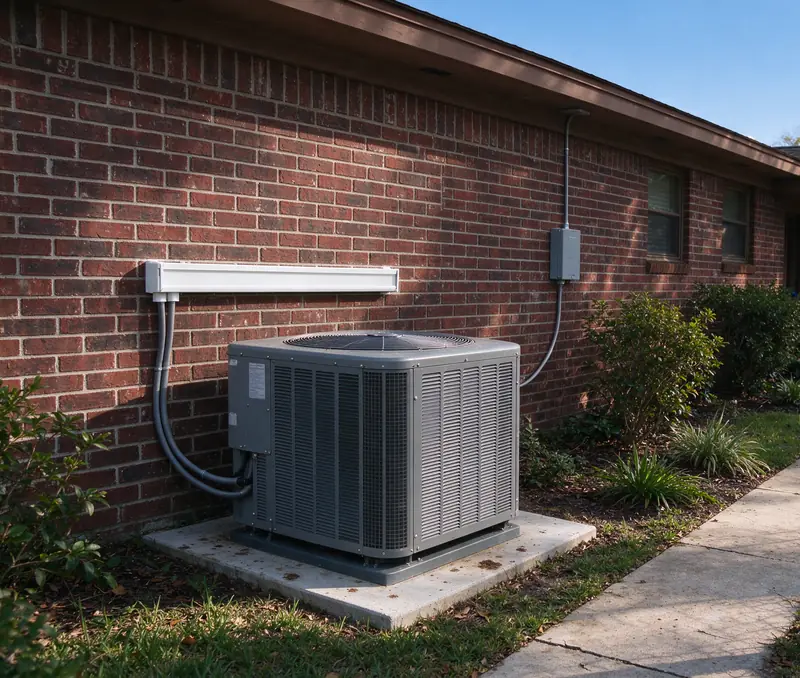
Moves heat from outdoor air into the house with a refrigerant circuit.
- Warm supply air in longer, steadier runs
- Needs circuits for the outdoor unit, air handler and heat strip
- Heats and cools with the same equipment
In a climate where cooling runs most of the year, one machine for both seasons is the heat pump's main appeal.
Why the climate tilts the choice
New Orleans winters are short and mild on average, with a January average daily temperature of 54.3°F at the airport in National Weather Service climate normals. The heat pump spends most of its year cooling and removing moisture, and heats on the mornings that need it. Cold snaps still come, which is why every heat pump here has backup heat, as our cold-weather guide explains.
Side by side for a New Orleans house
The practical differences that decide which setup fits your house.
| What changes | Heat pump with electric backup | Gas furnace with central air | Dual fuel: heat pump with the furnace kept |
|---|---|---|---|
| Equipment | Outdoor heat pump, air handler with heat strip | Furnace, cooling coil, outdoor condenser | Outdoor heat pump, matched coil on the existing furnace |
| Heating feel | Warm, long runs | Hot, short runs | Heat pump most of the time, furnace in the cold |
| Backup heat | Electric strip sized to the heating load | The furnace itself | The furnace, at a changeover temperature set in the controls |
| Gas and venting | Gas branch capped, flue removed or sealed | Gas line, flue and combustion checks stay | Gas line, flue and combustion checks stay |
| Electrical | New circuits for the air handler and strip | Furnace and condenser circuits | Outdoor circuit added; furnace circuit stays |
| Running cost | Electric rate only | Gas rate for heat, electric for cooling | Both, split by the changeover point |
How a heat pump, a gas furnace with central air, and a dual-fuel setup compare in a New Orleans house.
Keeping a sound furnace
If the furnace is in good condition and its cabinet can take a matched coil, keeping it as backup in a dual-fuel system avoids a large heat strip and keeps gas heat for the coldest mornings. It also keeps the gas line, the flue and the combustion checks. Our dual-fuel guide covers the controls and the changeover point.
What a conversion involves
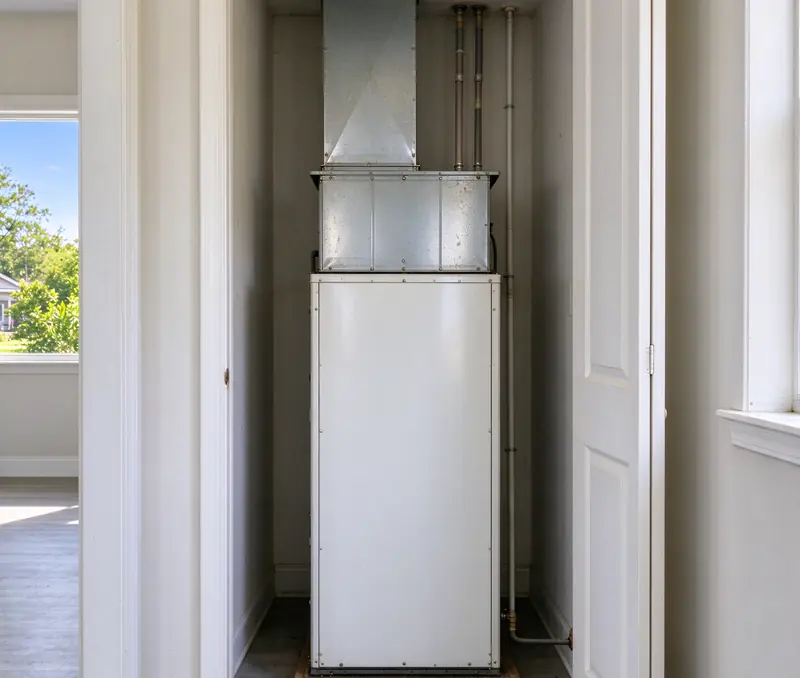
Moving off gas changes more than the box in the closet. Each change is its own line in the estimate.
The lines a conversion adds
- Gas. The furnace’s branch is capped, with the rest of the house’s gas appliances left as they were.
- Venting. The flue is removed or sealed, unless another appliance still uses it.
- Electrical. New circuits for the air handler and heat strip, and any panel work as a separate line; see the electrical readiness guide.
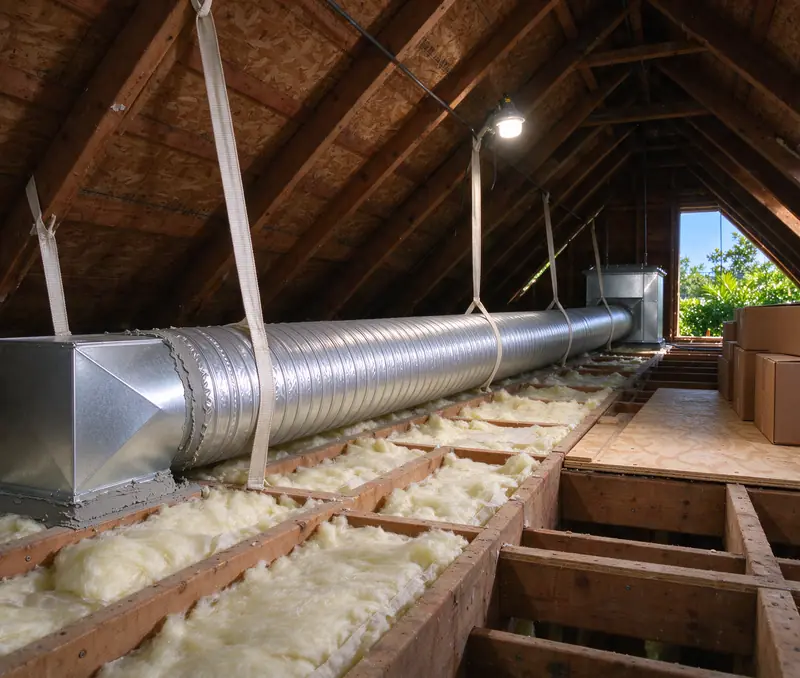
- Ducts. Tested for leakage and static pressure, since cooling airflow now runs through the same air handler.
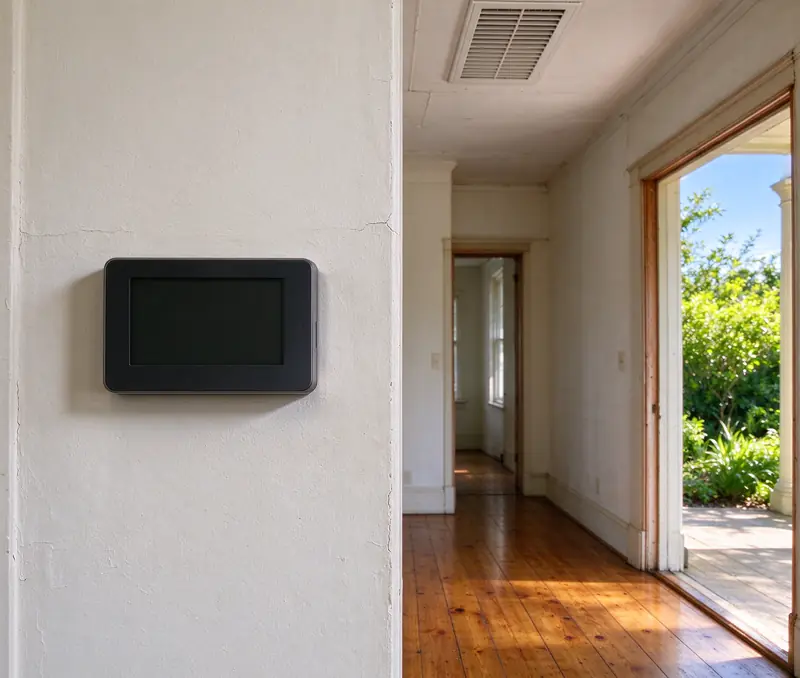
- Controls. A thermostat set up for a heat pump, its stages and the backup heat.
- Permit. As the estimate states for your address.
Why the replacement range isn't automatically the conversion price
Our typical range for a residential replacement covers the equipment and the usual work around it. A conversion adds the gas, flue and electrical lines, so it is priced from the visit like any other job. Our cost guide shows how the parts of a price add up, and the ductwork guide explains the duct tests.
Comparing what each costs to run
A fair comparison uses your rates and the same house on both sides, and it ends in an estimate, not a promise.
What we put on each side
Your electric rate from your Entergy New Orleans bill and tariff, your gas rate from your gas utility’s bill, the heating and cooling loads from the load calculation, and the equipment’s ratings: AFUE for the furnace, SEER2 and HSPF2 for the heat pump. The same indoor temperatures and the same habits go on both sides.
What we leave out
A savings figure we can’t support. Rates change, habits differ, and the ducts can matter as much as the equipment. Our operating cost guide explains the method, and the rebate on a qualifying replacement is in the rebate guide.