Last updated:
The short answer
A single-stage heat pump runs at full output or not at all. A two-stage one adds a lower setting, and a variable-speed one adjusts across a wide range. In a long, humid New Orleans season, lower and longer running dries the air better, but only with sound ducts and the right controls. Size comes first; staging second.
Key takeaways
- Staging changes how the capacity is delivered, never the capacity the house needs.
- Long, low runs dry the air better through the months when it is warm but not hot.
- Variable-speed equipment needs ducts within its static-pressure limits and, often, the maker's own control.
- A single-stage system sized closely to a small, simple house can be the sensible choice.
- The upfront difference is on the estimate; the running-cost difference depends on your rates and habits.
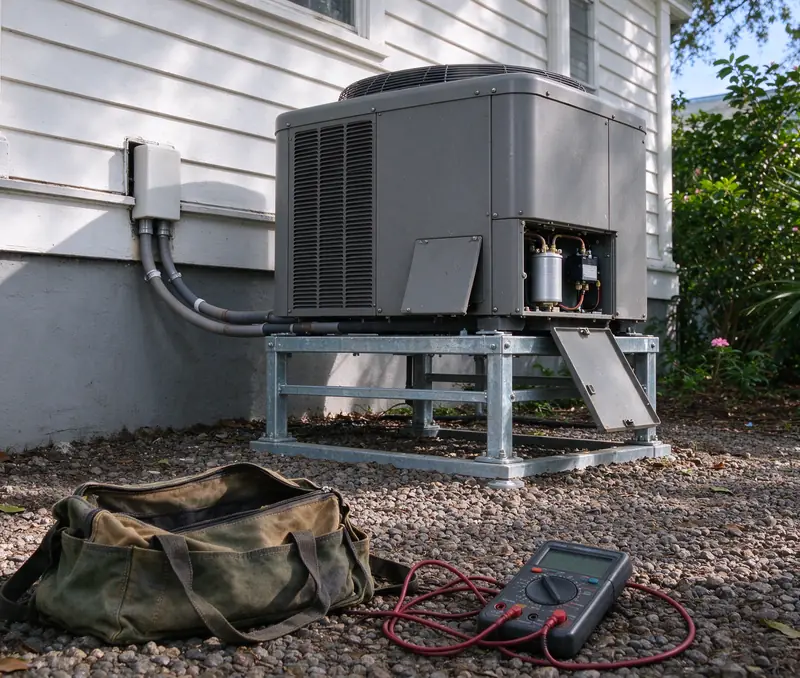
Two heat pumps with the same capacity on the label can behave very differently in your house. One runs flat out and shuts off; another settles into a low, steady speed and stays there. The difference is the compressor, and in a city that cools for most of the year it shows up as comfort and moisture more than as raw cooling.
Sweet Olive installs ducted heat pumps across New Orleans, and staging is one of the choices we price with you. This guide compares how each runs, what it needs from the rest of the system, and when the simpler choice is the right one. Size comes from the load calculation in our sizing guide; this guide starts after that.
How each type delivers the same capacity
All three can be sized to the same house. They differ in how much of that capacity they use at a time.
Single-stage
Full output whenever it runs, then off.
- Simplest equipment and controls
- Runs short cycles when the load is small
- Lowest equipment cost of the three
Variable-speed
Adjusts output across a wide range to follow the load.
- Long runs at low speed through mild weather
- Steadier temperature from room to room
- Highest equipment cost; often needs the maker's control
Two-stage sits between them: a low stage for most hours and a high stage for the hottest afternoons.
Why the load is small most of the time
A system is sized for the hottest afternoons and the coldest mornings the load calculation uses. Most hours are milder than that, so most of the time the house needs only part of the capacity. A single-stage unit meets a part load by cycling on and off; a staged or variable unit meets it by running slower.
Why that matters for moisture
The indoor coil only pulls water out of the air once it is cold and wet, which takes a few minutes of running. Short cycles stop before much water drains away. Longer runs at low output keep the coil working, which is why staging matters more here than in a dry climate. Our humidity guide explains the moisture side.
Through a New Orleans year
Most of the year is warm and damp rather than at the peak, and that is where the three types part ways.
5 months
May through September each have an average daily temperature above 77°F at the New Orleans airport, from National Weather Service 1991-2020 climate normals
That is a long season of part-load cooling, with damp mornings and evenings around the hot afternoons. How the equipment behaves in those hours shapes how the house feels.
| Weather | Single-stage | Two-stage | Variable-speed |
|---|---|---|---|
| Peak August afternoon | Full output, long runs | High stage, long runs | Near full speed, long runs |
| Warm, humid spring or autumn day | Short cycles; the coil may not dry the air much | Long runs on low stage | Long runs at low speed, slowing the blower to dry the air where set up to |
| Mild, damp evening | Brief runs; rooms can feel clammy at the setpoint | Low stage, fewer starts | Very low output, nearly continuous |
| Cold January morning | Full heating output, backup heat as the controls allow | Both stages, then backup heat | Speeds up to full heating output before backup heat |
How each type tends to behave in four kinds of New Orleans weather.
What variable speed needs from the rest of the system
The compressor can only deliver what the ducts, the indoor unit and the controls let it.
What we check before choosing variable speed
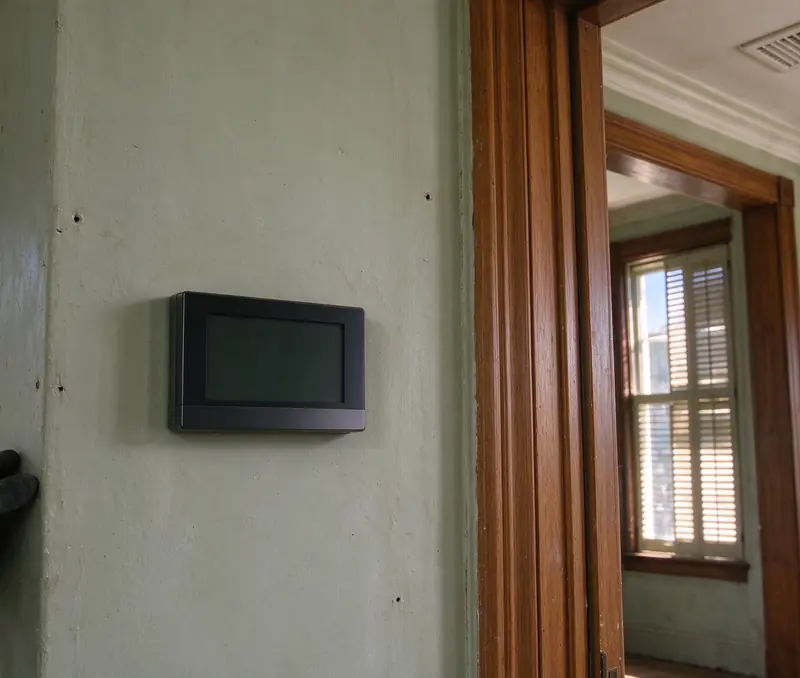
- Ducts within the equipment’s static-pressure limit. Variable-speed blowers push harder against tight ducts, and too much resistance cuts airflow and raises noise.
- A matched indoor unit. The air handler and the outdoor unit listed together by the manufacturer.
- The right control. Many variable-speed systems talk to their own communicating thermostat; a generic one can give up features. On a replacement, the old control rarely suits.
- A return path from every closed room, so low airflow still reaches the back bedrooms.
- Setup at startup. Blower speeds, dehumidifying settings and backup heat set for this house, not left at factory defaults.
It can't fix the air path
Variable speed can’t make a collapsed duct carry air or a blocked return breathe. If the ducts fail their tests, the duct work comes first, and our ductwork guide explains why.
When single-stage is the sensible choice
The simplest equipment is not a lesser choice in every house.
Single-stage can fit well when
- The house is small and simple, with a load the equipment matches closely.
- The budget needs to sit near the lower end of our range.
- The ducts are sound but leave little margin for a stronger blower.
- An existing thermostat and wiring suit it, and you want to keep them.
Where staging earns its cost
A larger house, one with rooms that feel clammy at the setpoint, or one where the load swings widely from morning to afternoon gets more from two-stage or variable-speed equipment. So does a house where people are home most of the day through the mild months. The cost estimator gives a starting budget for either.
Price, ratings and running cost
Staging moves the equipment line of the estimate and, with it, the efficiency ratings.
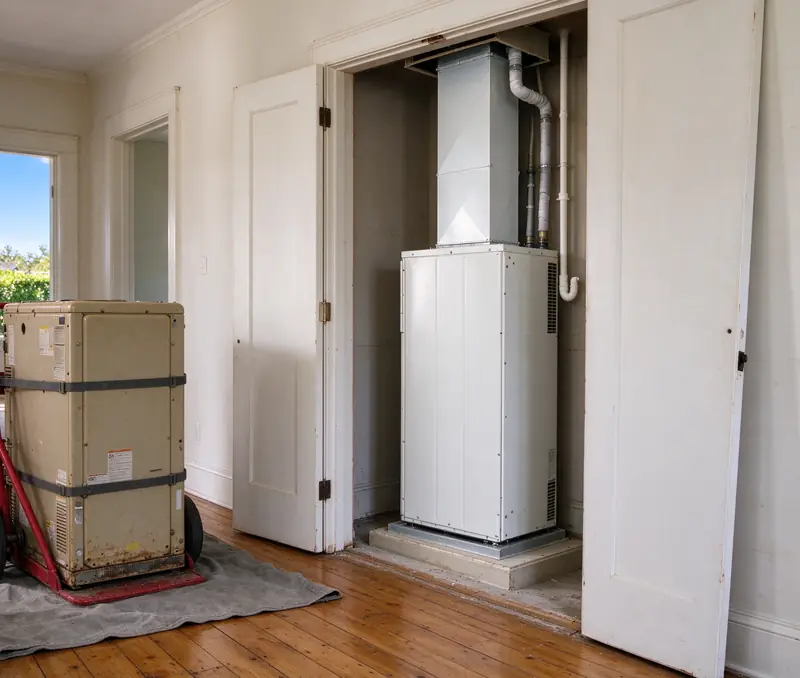
Sweet Olive's typical range for a residential ducted heat pump installation is $4,250 to $11,750. Staging is one of the things that moves a price inside that range. We set your price after the site visit and write it into your estimate, with each option on its own lines when you want to compare.
What the ratings say
Higher SEER2 and HSPF2 ratings mean less electricity for the same seasonal load, and staged equipment usually carries the higher ratings. Your bill still depends on your tariff, your ducts and your settings. Our operating cost guide works through that, and the cost guide shows what else moves the price. The Metairie replacement uses variable-capacity equipment on tested ducts.
Questions to ask about any staged system
- Which indoor unit and thermostat is this outdoor unit matched with?
- Will the existing ducts stay inside the blower’s static-pressure limit?
- How is the dehumidifying setting configured, and who sets it?
- Which settings will you go through with me at handover? Our thermostat compatibility guide lists the ones that matter.