Last updated:
The short answer
A heat pump maintenance visit checks the filters, the coils we can reach, the condensate drain and float switch, the electrical connections and how the controls and system run, then records what it found. Between visits, you change or clean the filter, keep the outdoor unit clear and watch the drain. Anything electrical or refrigerant stays with the technician.
Key takeaways
- The visit is a set of checks with a written record, not an open-ended repair.
- In this climate the condensate drain and float switch matter as much as anything on the list.
- Filters, a clear outdoor unit and an eye on the drain outlet are yours between visits.
- ENERGY STAR advises a pre-season check each year, cooling in the spring and heating in the fall.
- A repair found on the visit is priced on its own, and you decide.
A heat pump in New Orleans works hard for most of the year, and much of that work is pulling water out of the air. Maintenance is how the drain, the coils and the controls keep up. A good visit is a set of checks with a record you can use later, not a quick look and a sticker.
Sweet Olive maintains ducted heat pumps across New Orleans through our heat pump maintenance service. This guide sets out what a visit checks, what you can safely do between visits, and how to tell when you need a repair visit instead.
What the visit checks
Each check answers a question about how the system is running. The record lists what was checked and what was found.
| Check | What it tells you | Why it matters here |
|---|---|---|
| Filters | Whether air moves freely through the system | A clogged filter cuts airflow, which dries the air less and works the blower harder |
| Coils we can reach | Whether dirt is blocking heat transfer indoors and out | Pollen, leaves and dust load the coils through a long cooling season |
| Condensate drain, pan and float switch | Whether the water from the coil leaves the house | The coil drains water for most of the year; a blocked drain trips the float switch or leaks |
| Electrical condition | Whether connections are tight and parts show heat or wear | Loose connections and worn parts give way under heavy load, and August is the heaviest load of the year |
| Operating controls | Whether the thermostat calls cooling, heating and backup heat correctly | A control set up wrong can run the heat strip on mild mornings |
| How the system runs | Whether it starts, runs and shuts off properly | A changed sound or a short cycle is easier to catch on the visit than in August |
The checks on a maintenance visit, what each tells you, and why it matters in this climate.
What the visit price covers
What the visit includes sets its price, and the equipment and the access shape it too. We tell you what the visit covers when you book, so the checks and the price match.
Sweet Olive's typical range for a residential heat pump maintenance visit is $70 to $200. The estimate lists each check before we book it. A repair found on the visit is priced separately, and you decide whether to go ahead.
Yours to do, and ours
Some checks are safe and useful for you between visits. Anything behind a panel stays with the visit.
Safe for you between visits
Look, clear and change; nothing opened.
- Change or clean the filter on the schedule its maker gives
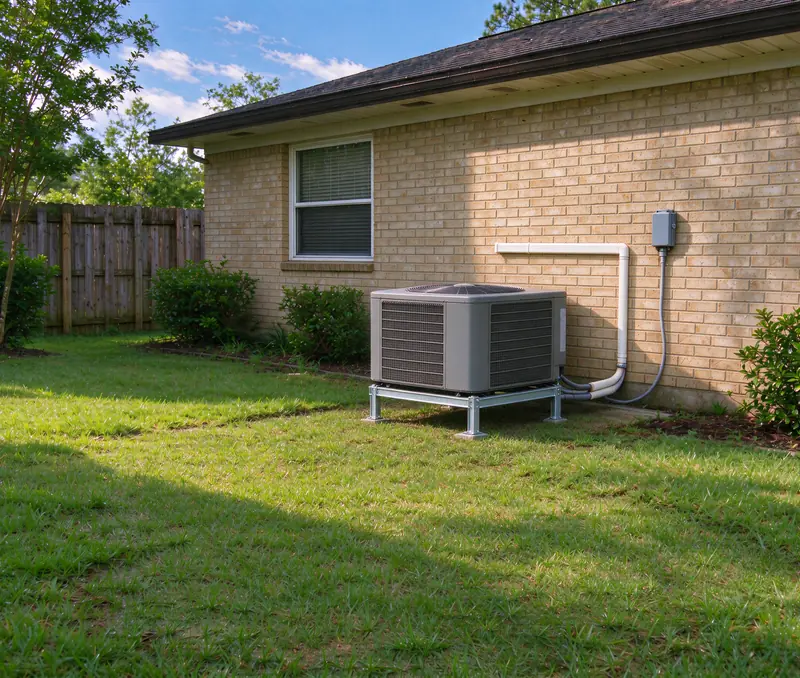
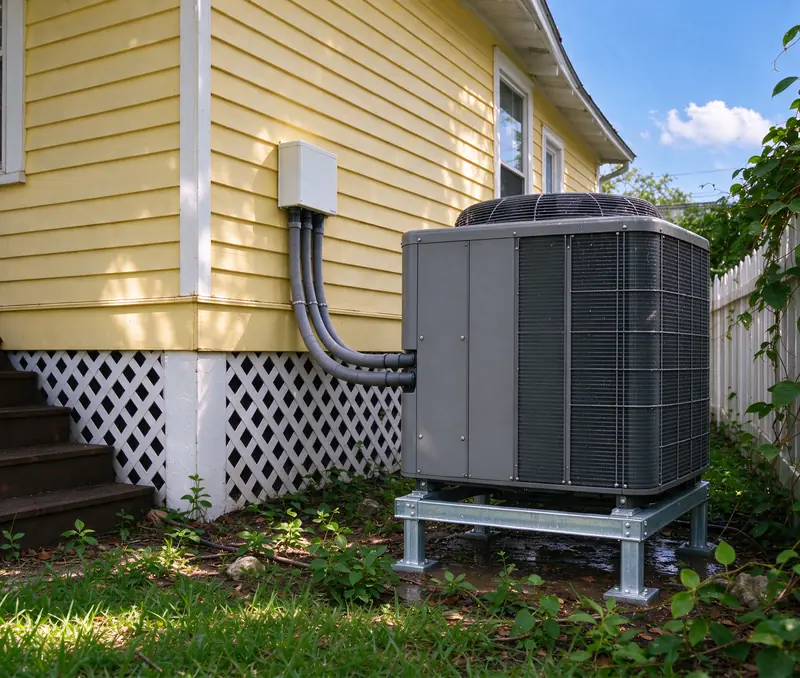
- Keep plants, leaves and stored items back from the outdoor unit
- Glance at the drain line outlet on summer afternoons
- Keep supply registers and the return grille open and clear
- Note new sounds, smells or water, with the date
Leave for the visit
Behind a panel, or on a wire or a refrigerant line.
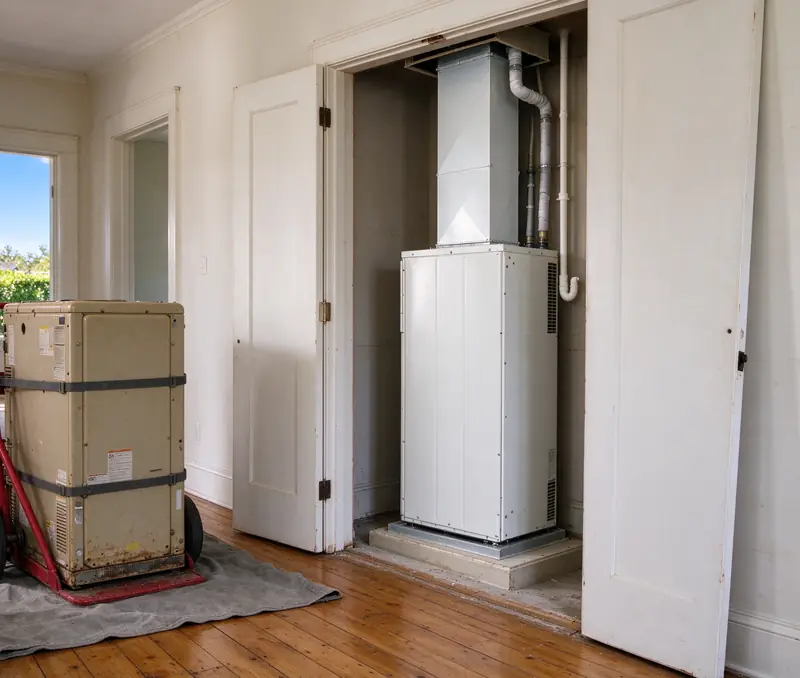
- Opening the outdoor unit or the air handler
- Cleaning the coil fins
- Clearing a blocked drain inside the air handler
- Anything to do with refrigerant
- Electrical parts, capacitors and the disconnect
If a breaker trips or the float switch shuts the system off, note it and call rather than resetting it again and again.
The filter is the one job that matters most
ENERGY STAR advises inspecting the filter monthly and cleaning or changing it as needed. In a house with pets, nearby work or a long run of hot weather, it fills faster. Write the size and the date on the frame so the next change is quick.
Watch the drain in summer
On a hot afternoon a working drain line drips steadily outside or into its drain. A dry outlet with the system running, water in the secondary pan, or a float switch that shut the system off are worth a call. Our humidity guide explains why the drain does so much here.
A New Orleans year of care
The calendar here leans toward cooling, with a short heating season and storm months in between.
| When | Yours to check | What a visit focuses on |
|---|---|---|
| Spring, before the heat | Filter; clear the outdoor unit after winter | Cooling: coils, drain and float switch, electrical condition, controls |
| Summer | Filter more often; the drain outlet on hot afternoons | Called visits for drainage or comfort problems |
| After a storm | Debris around the outdoor unit; any sign floodwater reached the equipment | If water reached the outdoor unit or air handler, a check before it runs again |
| Fall, before the cold | Filter; thermostat set to heat | Heating: reversing valve, defrost, heat strip and the controls that call it |
What to check across the year, and what a visit focuses on in each season.
After floodwater
FEMA guidance notes that heating and cooling equipment isn’t designed to withstand flooding. If water reached the outdoor unit, the air handler or the wiring, leave the system off and have it checked before switching it back on. Our warning signs guide lists other reasons to switch off.
Questions to ask before you book
A few questions make sure the visit you book is the visit you need.
Ask about
- Which checks the visit includes, listed before you book.
- What the record will show: the equipment, the checks made, the readings and anything recommended.
- How a repair found on the visit is handled: explained, priced on its own and decided by you.
- What access is needed: the attic, the closet, the side gate, pets.
- Whether the filter is part of the visit, and which size the system takes.
When maintenance isn't the right visit
If the system has stopped, blows warm air in cooling, leaks water or makes a new noise, book a diagnostic visit through heat pump repair instead. A recurring problem treated as routine maintenance tends to come back. Buying a house, or want facts before deciding? An inspection answers a different question.
Keeping the record useful
Keep each visit’s record with the model and serial numbers and the manuals. Readings from one visit to the next show change before it becomes a failure, and they help when you weigh repair or replacement later. Our components guide names the parts on the record.